Airflow vs Scale and Polish: Which Dental Cleaning Is Right for You?

Dental hygiene cleaning is an essential part of caring for your teeth. Most patients can benefit from annual hygiene cleanings, while some might need more frequent treatments. Patients with dental implants and those with active gum disease may have hygiene treatments every 3-4 months.
The purpose of this treatment is to thoroughly clean the teeth and remove plaque and tartar deposits from the teeth. Plaque is a sticky substance that coats the surface of the teeth. Tartar is a hardened form of plaque. Both are bad for oral health, as they allow bacteria to thrive on the surface of the teeth. This can lead to inflammation of the gums, which may eventually lead to tooth loss.
The takeaway
- Airflow and Scale and Polish are two kinds of dental hygiene treatment.
- Both are highly effective in the treatment of gum disease.
- Airflow Stain Removal offers a contact-free treatment.
- Scale and Polish uses special tools to remove plaque and tartar buildups.
- The right one for you will all depend on your goals.

Dental hygiene cleanings explained
Dental hygiene cleanings are available on the NHS and as a private dental treatment. For NHS treatment, there needs to be a clinical requirement for the treatment, and this treatment will often be focused on a specific problem area, rather than a whole-of-mouth treatment. With private treatment, a holistic approach provides comprehensive cleaning and a spa-like experience.
There are two main types of dental hygiene treatment available. The first is a traditional scale and polish treatment. The second is Airflow treatment, sometimes known as Airflow Stain Removal. Both are designed to achieve the same results of a deep cleaning.
The purpose of a dental hygiene cleaning is to address the areas that brushing and flossing might miss. No one is perfect, and a home oral care routine can still result in plaque and tartar build up. The purpose of the dental hygiene cleaning is to address the hard to reach areas that are vulnerable to bacteria build up, including between the teeth and along the gum line.

Scale and polish treatment explained
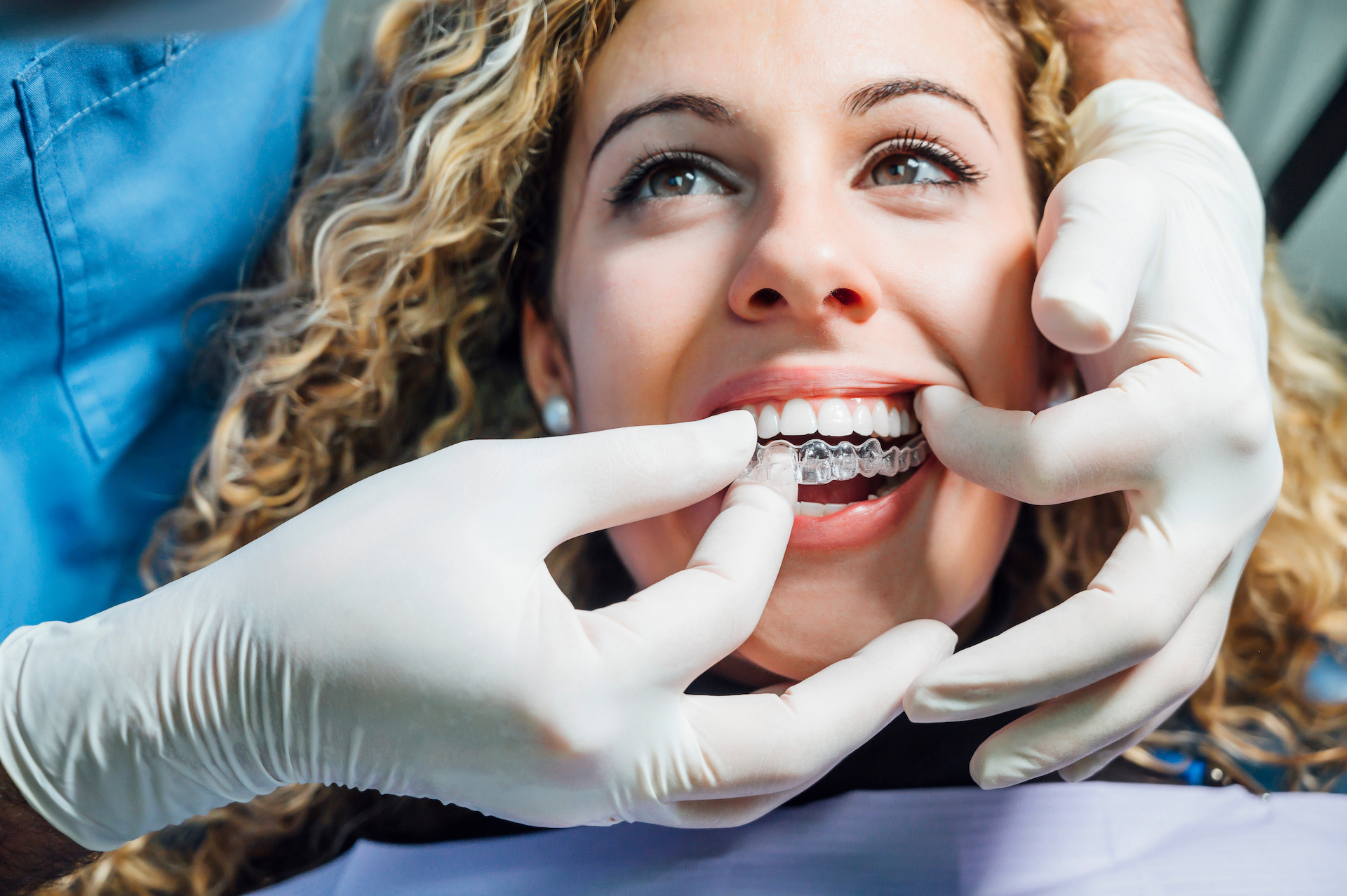
A scale and polish is a traditional dental hygiene treatment, which is available on the NHS and as a private treatment. This treatment is carried out by a dentist or a dental hygienist. They will use special tools to scrape the surface of the teeth to remove plaque and tartar deposits. This is one of the most effective treatments to address gum disease.
A traditional scale and polish tends to be cheaper than Airflow treatment, which makes it a budget-friendly treatment for those looking to care for their oral health.

Airflow Stain Removal treatment explained
Airflow Stain Removal uses a special machine to clean the surface of the teeth. This machine creates a high pressure jet of water, air and fine particles which gently buff the surface of the teeth. No tools come into contact with the tooth surface, which can help make the treatment more comfortable.
The gentle buffing action will also help to remove surface staining build up from the teeth, which can result in a subtle whitening effect. This is not the same as teeth whitening treatment, which uses special chemicals to break up bonds between staining particles in the teeth, which changes the colour and brightness of the teeth.

Which dental cleaning is right for you?
The right cleaning method for you will all depend on your goals. If you have active gum disease and are looking for an effective treatment, either option will be effective. If you require regular treatments, you might opt for a traditional scale and polish, since this will be the more cost-effective choice.
Another consideration would be tooth sensitivity. If you have known sensitivity, you might find the traditional scale and polish treatment to be less comfortable. This is due to the contact of the instruments on your teeth. For sensitivity, Airflow treatment is often more suitable as there is no direct contact with your teeth.
If you are also looking for a stain removal treatment, then Airflow is worth considering. This offers the added benefit of gently removing surface stains from the teeth, revealing brighter and whiter teeth.
Patients with misaligned teeth might also find that Airflow treatment is more effective. Misalignments can make it difficult to care for your teeth at home, so hygiene treatments will be even more important.

Final thoughts
Both a scale and polish and Airflow treatment will be effective for the treatment of gum disease. The treatment you choose may depend on availability, your budget, and additional requirements, such as a contact-free approach.
If you are tackling gum disease, it’s more important that you commit to regular hygiene treatments to help bring this condition under control. The choice is treatment is less important than the frequency.
Talk to our team about how we can improve your smile today.
Related news

Sign up for special offers
Sign Up