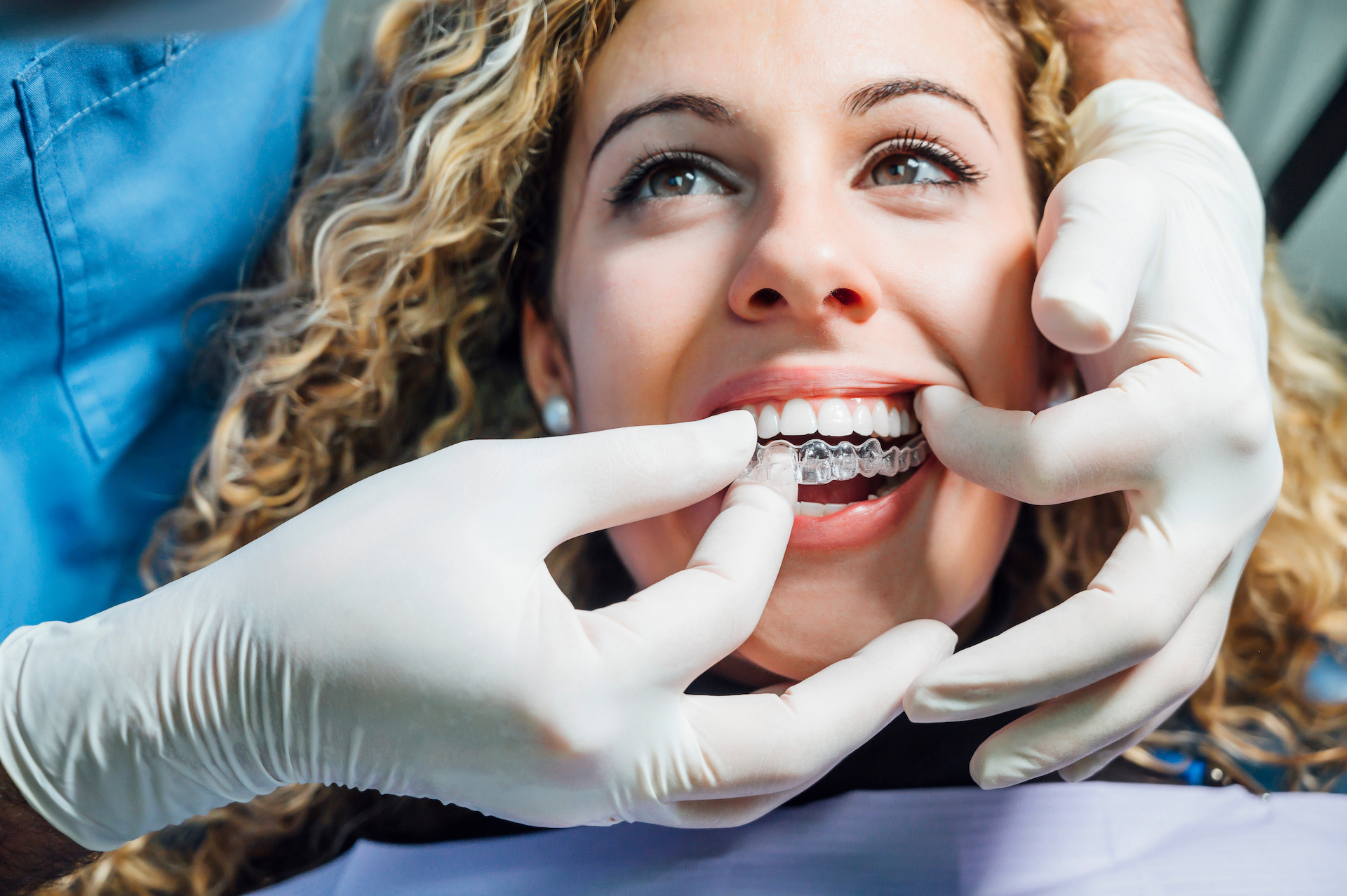
Can Invisalign Fix Overbites, Underbites and Crowded Teeth?
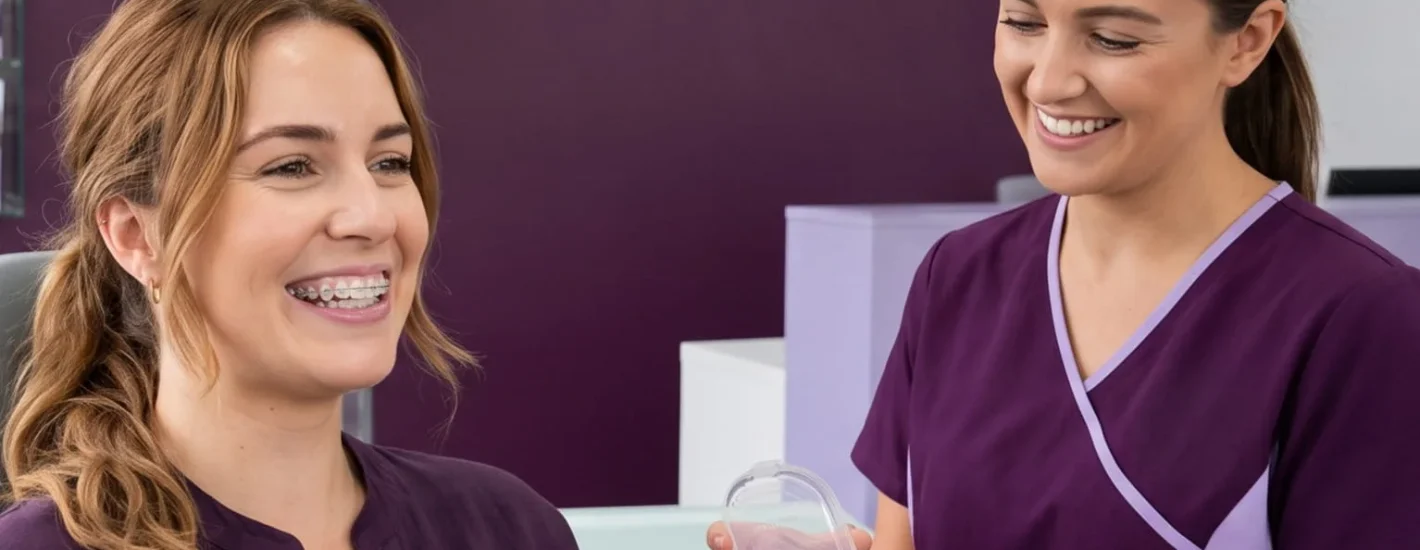
Invisalign is one of the most in-demand dental treatments in our practice. This orthodontic system allows patients of all ages to straighten their teeth whether it’s Invisalign for teens or adults and experience the joy of a perfectly aligned smile.
There is a common misconception among patients that this is a lightweight treatment only suitable for patients looking for minor corrections. This couldn’t be further from the truth. Invisalign is a highly advanced system that can tackle even the most advanced orthodontic issues, including bite alignment problems and overcrowding.
The secret to how Invisalign is able to tackle these complex problems lies in the modern treatment plan, and this all starts with a consultation.
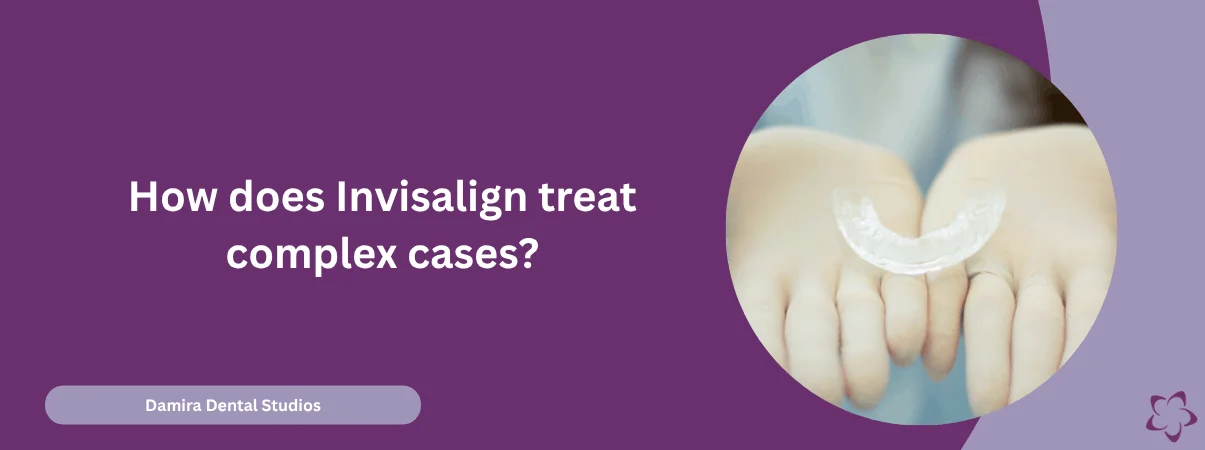
How does Invisalign treat complex cases?
Invisalign treatment does not rely on fixed brackets and wires like traditional orthodontic treatment. Instead, this system uses a series of clear plastic aligners that are lightweight and nearly invisible when worn.
You might be wondering how these plastic aligners can do the same job as traditional fixed braces. The special thermoplastic is light but very strong. It is also custom-made for each patient using a digital treatment plan that predicts the best possible movement for each tooth.
This all starts with a digital scan of the teeth to understand where they are and where they need to be. The system isolates each tooth and maps its movement path. These movements are then turned into a 3D treatment plan that can be seen across a series of plastic aligners.
As the patient wears each aligner, their teeth will move into the new position, after which point they move to the next aligner which is slightly different again. As the patient moves through their case of aligners, their teeth make small but significant movements.
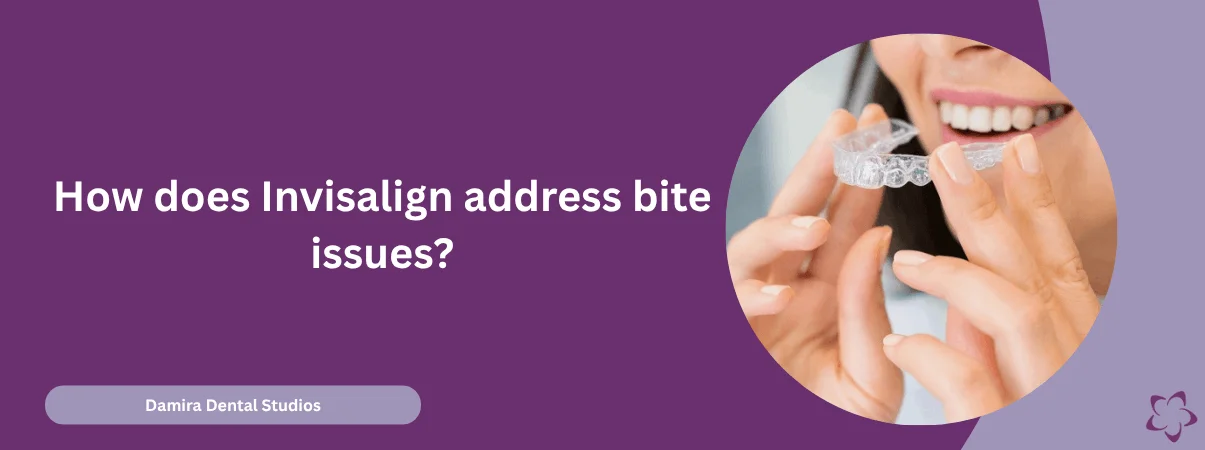
How does Invisalign address bite issues?
There are lots of small adjustments we can make to the treatment plan to address specific concerns like overbite and underbite. This includes attachments that are bonded to the tooth and allow the aligners to get a better grip of the tooth.
It’s also possible to wear aligners with precision bite ramps that encourage the jaw to move forward over time. Elastics can also be used, similar to traditional orthodontic treatment, to help apply synchronised force between the upper and lower arch.
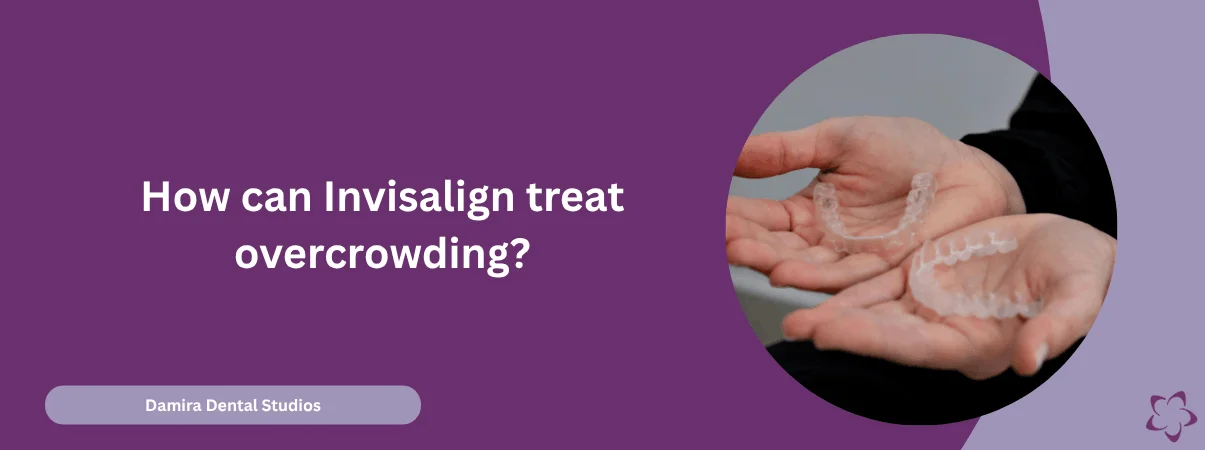
How can Invisalign treat overcrowding?
Digital imaging allows us to see the current position of the teeth and how they need to be aligned. Movements are small and incremental, but we can gradually create more space by widening the dental arch to create extra room. This can help patients to avoid the need for extractions.
With traditional orthodontic treatment, your dentist makes manual adjustments to the teeth depending on their movement. With Invisalign, your treatment is planned in advance from the start. This means we can show you a digital rendering of how your teeth could look after treatment.
Seeing this preview of their smile can often help patients to stay motivated with their treatment, as they know exactly what they are working towards.
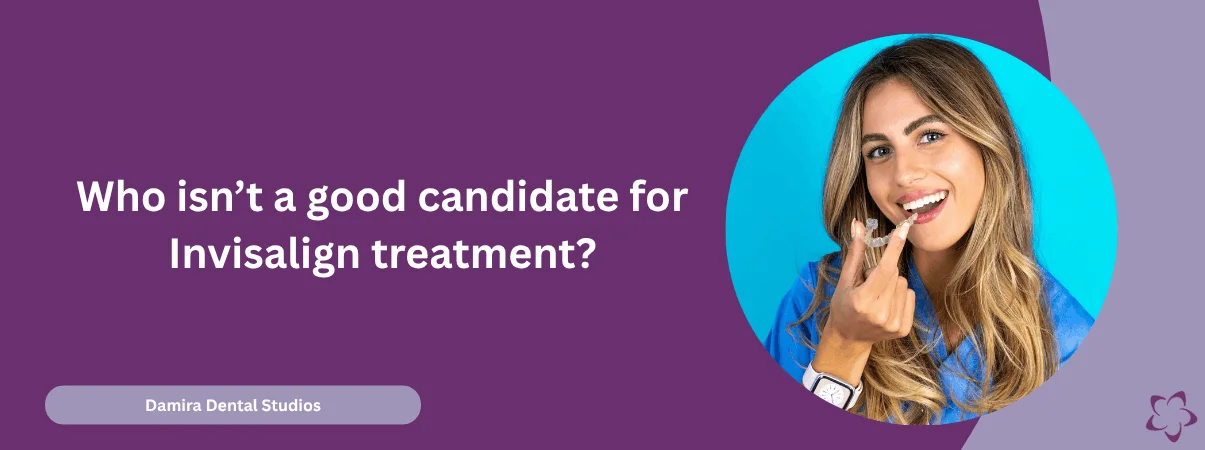
Who isn’t a good candidate for Invisalign treatment?
Invisalign might be able to tackle a wide range of issues, but it might not be right for everyone. The most important thing to remember is that you’ll need to commit to wearing your aligners for 20-22 hours per day, every day.
Skipping days or not wearing them for long enough will cause the treatment to fail. So if you are forgetful or likely to lose your aligners, this might not be the treatment plan for you. To learn more about Invisalign treatment with Damira Dental Studios, book an appointment with our orthodontic dental practice near you today.
Talk to our team about how we can improve your smile today.
Related news

Sign up for special offers
Sign Up