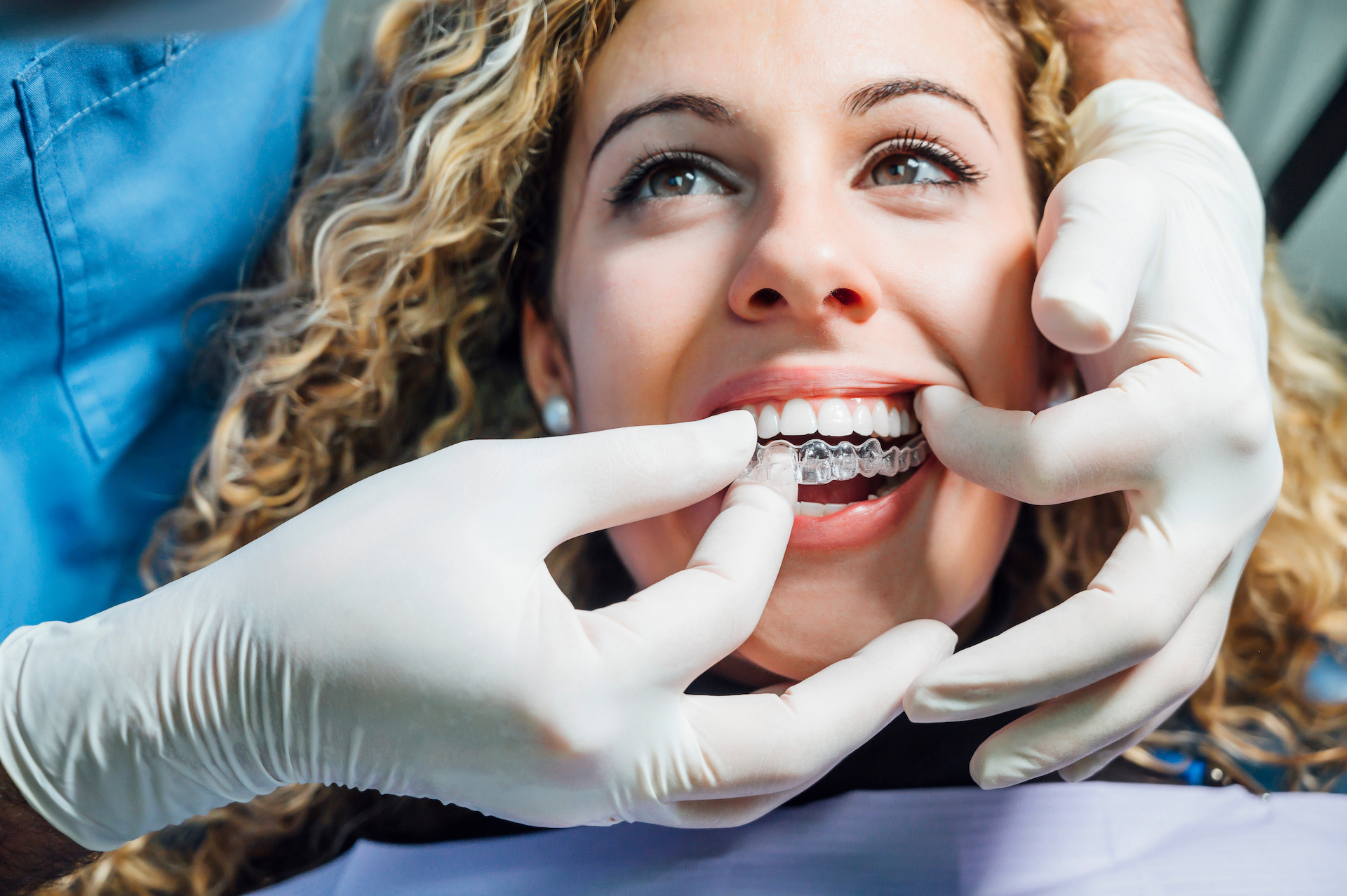
Composite Bonding vs Veneers: Which Gives the Best Smile?

If you’re thinking about a dramatic smile makeover, you have likely researched veneers and composite bonding. These are two leading treatments that will deliver nearly instant results.
Veneers are thin porcelain shells that are placed on the front of the teeth to change the appearance of the smile. Composite bonding is same-day treatment that delivers similar results, but using composite resin material instead of porcelain.
While the results might be similar, the treatment plans are very different. There are also differences in the lifespan of the treatment, and your options once the treatment has reached the end of its lifespan.
To help simplify your decision, we’ve put together this short guide. We’ll explain the differences between the two treatments, so you can make an informed decision.
Veneers Vs Composite Bonding: What’s The Difference?
The main difference between these two treatments is the restoration material used. With veneers, the most common material would be porcelain ceramic. This looks incredibly similar to a natural tooth, as it has a glossy surface with a slightly translucent look that mimics the look of natural tooth enamel.
With composite bonding, we use a tooth-coloured resin. This is applied as a soft material and then cured with UV light to cause it to set hard. The finished result looks like a natural tooth, but with a slightly more opaque and flat appearance.
How Long Does Treatment Last?
Another key difference to understand about composite bonding vs veneers is the lifespan of the treatment.
Porcelain is stronger than composite resin, so it’s designed to last longer. However, just because it is strong, it doesn’t mean that it is indestructible. Porcelain veneers are at risk of chipping or cracking if the wearer is not careful. With good care, porcelain veneers could last for 12-15 years before they need to be replaced.
In contrast, composite resin is a softer restoration material that will last for around 5-7 years before it starts to wear away. Patients will also need to be careful about cracking or chipping this restoration.
What happens at the end of treatment?
When veneers reach the end of their life, they will need to be replaced. This is because we have to remove a thin layer of enamel to place the veneers, so the teeth will not be able to be left without protection. So if patients are thinking about veneer treatment, they will need to plan to wear this for the rest of their life.
With composite bonding, patients can choose to allow the treatment to wear away over time without needing to replace it. Since there is minimal preparation of the tooth surface, the teeth will go back to normal after treatment. Of course, patients can also choose to renew the treatment, or opt for a more permanent restoration like veneers.
Which gives the best smile?
Both treatments will deliver transformative results for the patient. Using treatment plans like SmileFast will allow you to enjoy a complete smile makeover much faster than with long-term treatments like orthodontics or teeth whitening.
The best smile is really about what works for your budget and your schedule. Composite bonding will be cheaper than porcelain veneers, as the materials are much cheaper. However, porcelain veneers will last for much longer, so if you are thinking about the lifetime value of the treatment, this could have a big impact.
To make the right decision for your needs, speak to one of our cosmetic dentist at a dental practice near you. They can help you to weigh up the options available to you and make a decision that is best for your long term and short term needs.
Talk to our team about how we can improve your smile today.
Related news


Sign up for special offers
Sign Up